

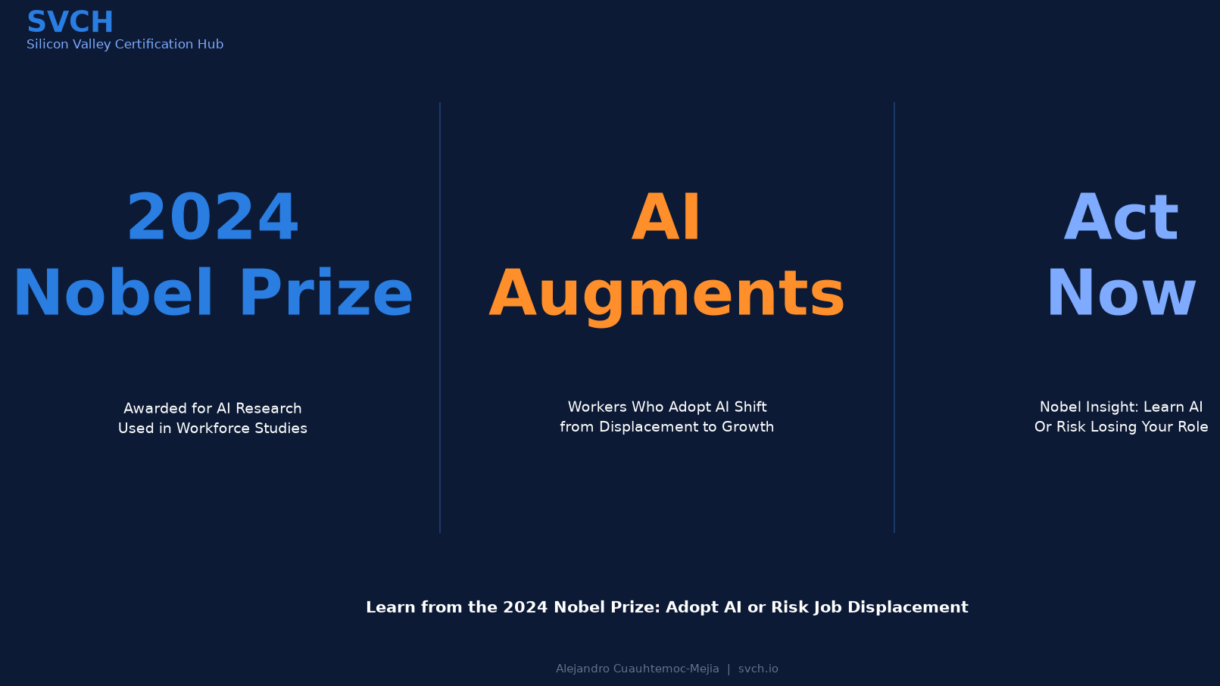
New Nobel Prize-winning economics research from MIT, LSE, and Boston University shows AI is reshaping which jobs companies hire for — not simply eliminating them. The rise of artificial intelligence has sparked fierce debate: will it destroy jobs or improve productivity?
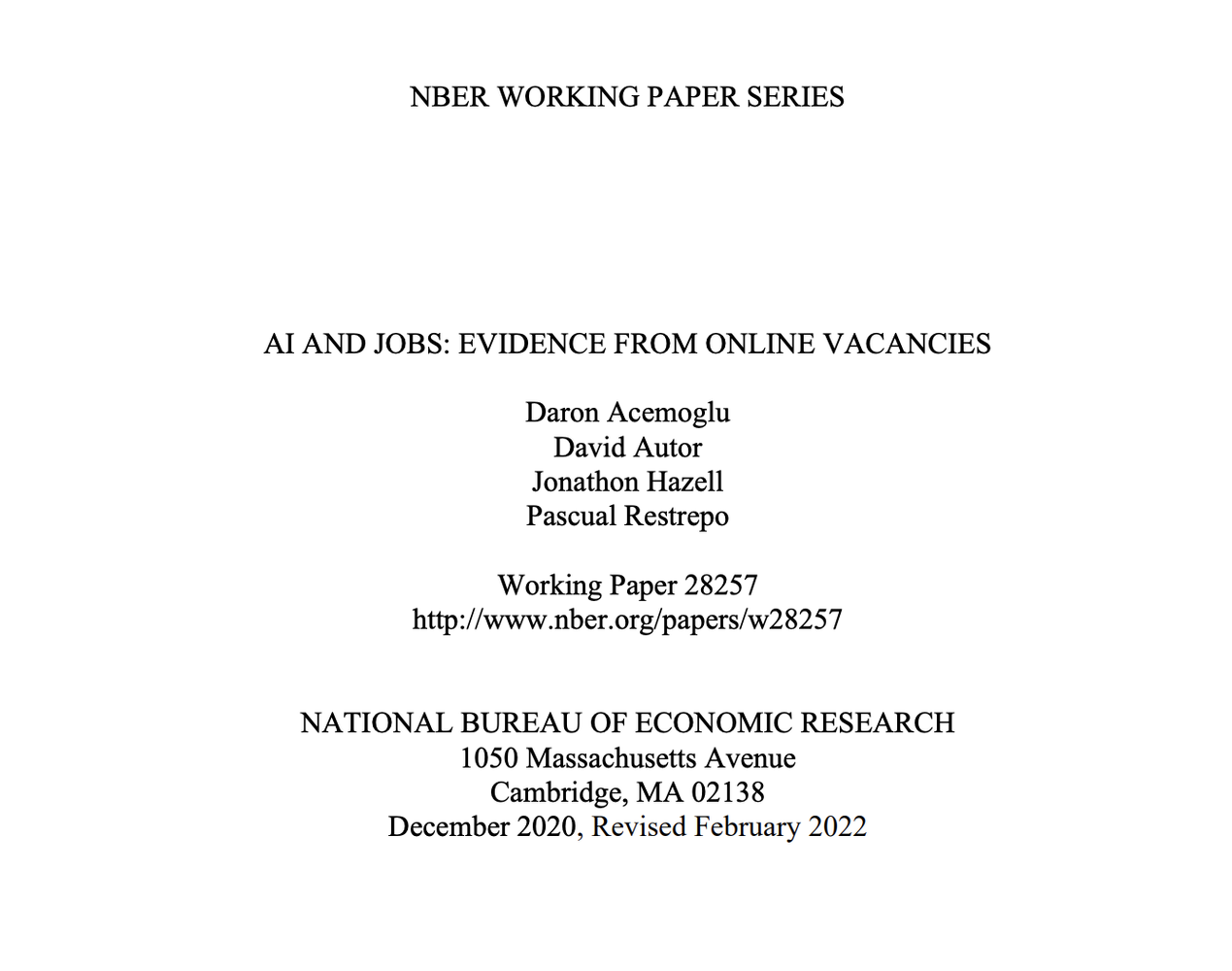
A fascinating paper from Massachusetts Institute of Technology , The London School of Economics and Political Science (LSE) , and Boston University helps us go beyond speculation and ideas.
Artificial Intelligence and Jobs: Evidence from Online Vacancies 📄 Read the paper from
- Daron Acemoglu (MIT) The Nobel Prize 2024
- David Autor (MIT)
- Jonathon Hazell (LSE)
- Pascual Restrepo (Boston University)
🔍 Key Insights:
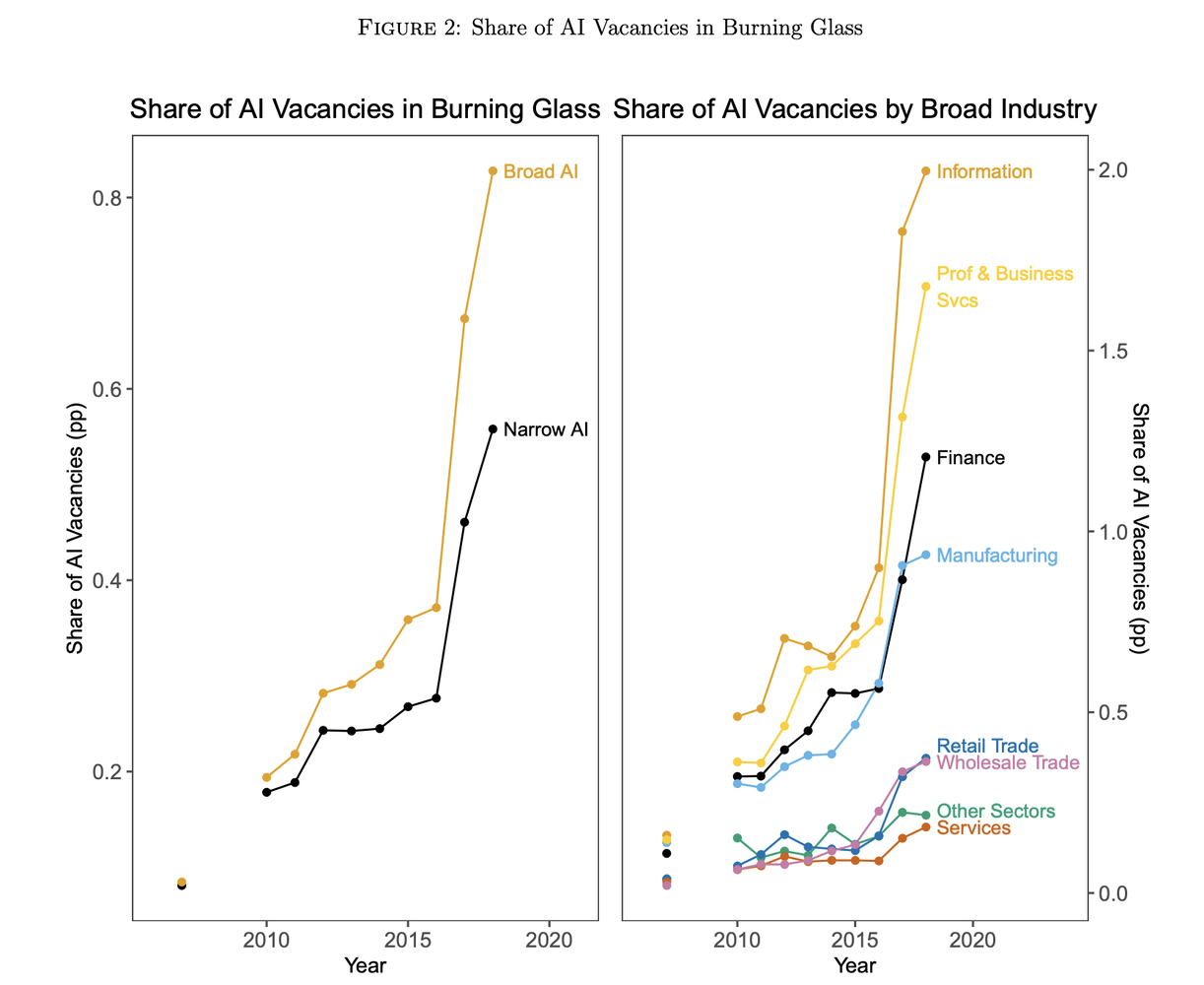
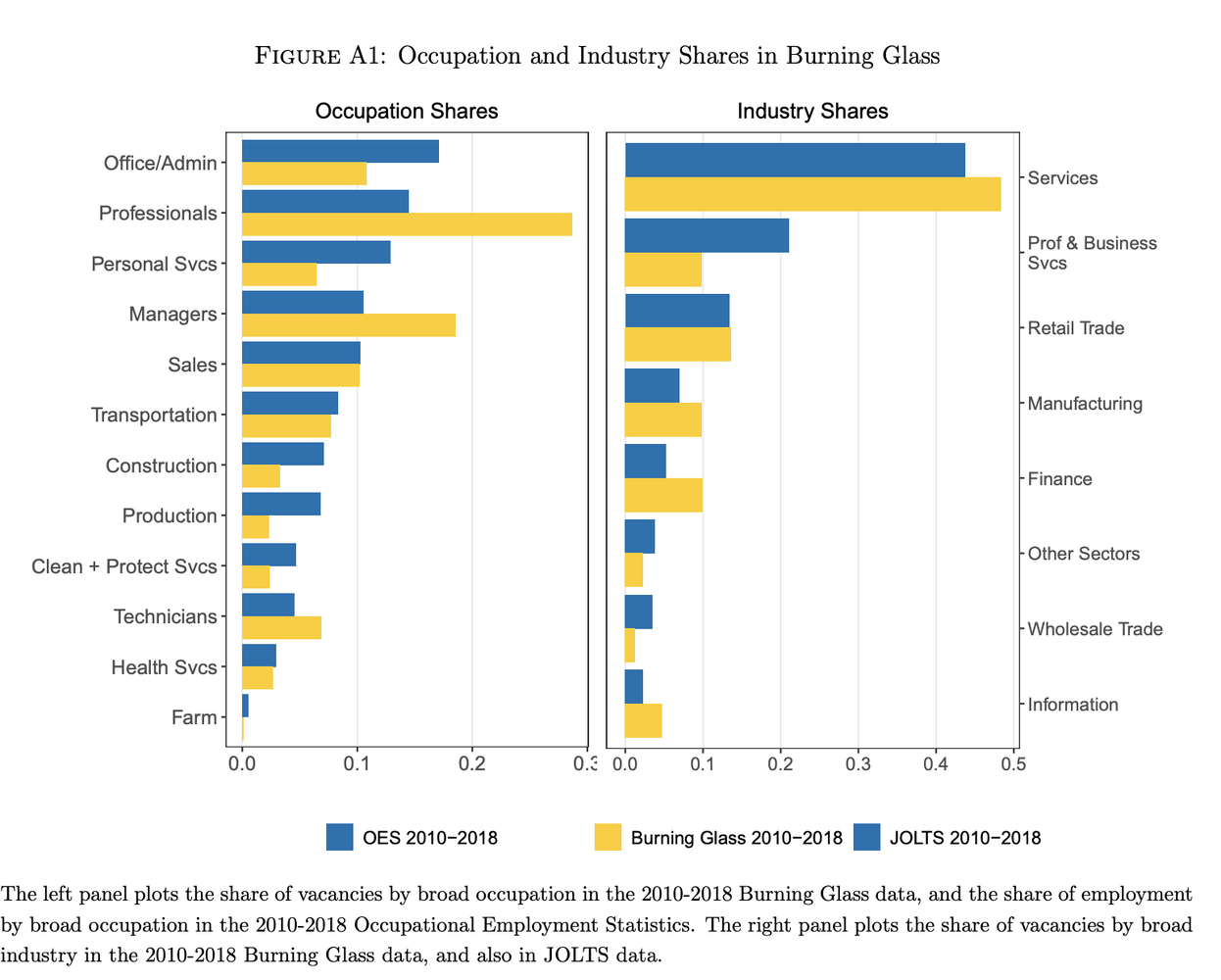
This study tracks AI related job postings across U.S. firms from 2010 to 2018, using data from Burning Glass Technologies. Here’s what they found:
- AI hiring is growing fast, especially in companies whose tasks match current AI capabilities — think finance, logistics, and image-heavy sectors.
- AI is replacing jobs across the board and is shifting which skills are in demand.
- Legacy investing in AI are cutting back on hiring for non-AI roles.
This signals task replacement, not necessarily job loss — at least for now.
Firms with higher “AI task exposure” reduced their postings for routine, non-AI roles — like data entry or standard customer service.
At the same time, there was a rise in AI-related roles demanding machine learning, NLP, and data modeling skills.
This confirms a key trend: AI changes what companies hire for, not just how many they hire.
Takeaways for Young Professionals:
- Upskilling is not optional: Roles that don’t evolve with AI are at risk of fading out.
- Hybrid talent wins: Combining domain knowledge with basic AI literacy (e.g., prompt engineering, data fluency) is a powerful differentiator.
- Watch your industry: AI is advancing, the impact on #healthcare may differ drastically from #finance or #education.
This paper confirms what we’re seeing across the global workforce: AI is rewriting the rules. Smart professionals are already adjusting — the rest will feel the pressure soon.
If you’re a manager or future leader, now is the time to understand how AI changes work structures, hiring, and decision-making.
🔗 SVCH’s Executive Certifications are designed exactly for that.
🎓 Learn more here → https://svch.io
Frequently Asked Questions
What does this mean for a Chief AI Officer?
The MIT/LSE research validates that your AI strategy must focus on task replacement within existing workflows rather than company-wide automation—this is where real ROI emerges. Your hiring strategy should simultaneously divest from roles vulnerable to AI while aggressively recruiting talent in machine learning, NLP, and data modeling to capture competitive advantage. This dual approach signals to your board that AI investments are creating measurable skill-shift economics, not just cost cuts.
If AI is replacing routine tasks in finance and logistics, how should my company prioritize which roles to automate first?
Start with high-frequency, rule-based tasks in departments where you have the strongest AI capability match—the research shows finance and logistics saw the fastest adoption precisely because their workflows align with current AI strengths. Map your firm’s “AI task exposure” by department: identify which routine roles consume the most labor hours while requiring minimal domain expertise, then pilot automation there before expanding to complex or client-facing work. This staged approach reduces implementation risk while building internal AI literacy across your organization.
How can we assess whether our organization is ready for the skill shifts the Nobel Prize research predicts?
An AI Assessment for companies should evaluate both your current workforce’s adaptability and your hiring pipeline’s capacity to attract AI-native talent—the data shows firms that excel in this transition combine aggressive upskilling programs with competitive recruitment in machine learning roles. Silicon Valley Certification Hub offers frameworks to measure this readiness gap: where are your skill deficits today, and what certification or training pathways can close them before competitors do? Without this assessment, you risk the talent mismatch that the research identifies as the real competitive threat.
What should we do in the next 90 days to position our leadership and workforce for these AI-driven job shifts?
Conduct an urgent audit of your job postings and hiring patterns from the past two years—do they match the skill-demand shifts the MIT researchers documented, or are you still hiring for roles AI is rapidly replacing? Simultaneously, engage your CHRO and CLO to design reskilling pathways for high-performing employees in vulnerable roles, and establish clear promotion pipelines into emerging AI-related positions, which sends a powerful signal to your organization that AI is an opportunity, not a threat. Finally, benchmark your AI hiring velocity against peers in your industry to ensure you’re not falling behind the talent war this research proves is already underway.
Want to know how this applies to your company?
At Silicon Valley Certification Hub, we help you align AI + Strategy. Our team works directly with your directors and teams to assess AI readiness, identify gaps, and build a clear path forward — tailored to your business context.
Book a time with our CEO, Alejandro Cuauhtemoc-Mejia:
https://calendar.app.google/2ihQf2JH3D9uJBe68
Silicon Valley Certification Hub
3000 El Camino Real, Building 4, Palo Alto, CA


0 Comments