


A CAIO at a 4,000-person logistics company posted this in a private Slack channel for AI leaders last month: “Genuine question, not rhetorical. We spent 400k on our ‘AI transformation’ this year. I honestly cannot tell you what changed. Anyone else?”
Eleven people replied within an hour. Nobody said “yes, everything changed.” Two said some version of “we just renamed our chatbot project.” That thread is the reason for this post.
These are the questions executives actually type into private channels, not the ones they ask on a public panel. Below are the honest answers, no framework, no deck.
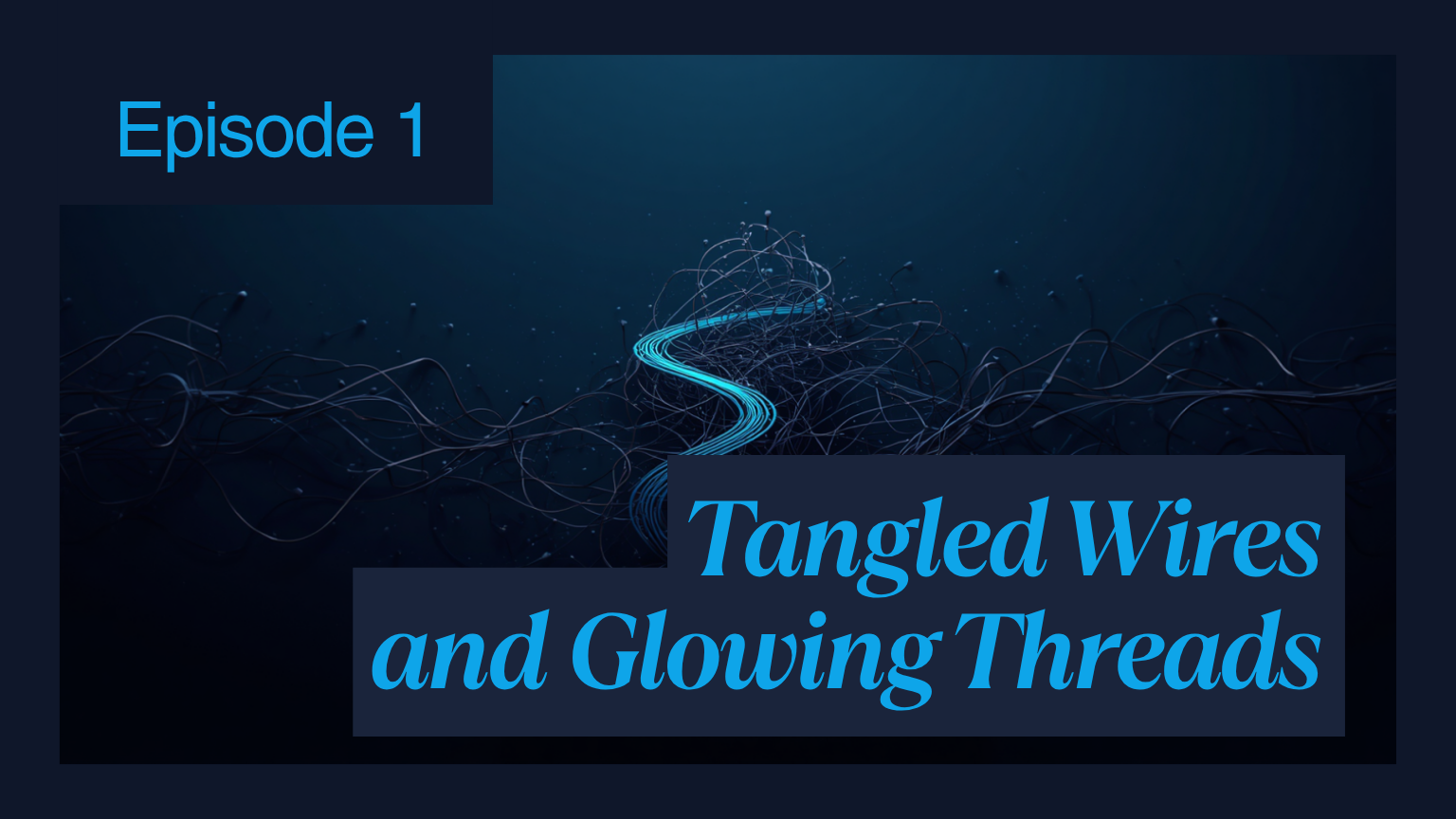
A single lit thread pulled through a tangled navy network, the one real decision path buried inside a company that looks fully “AI transformed.”
“Is our AI transformation just a chatbot with a new name?”
Usually, yes. Heres the tell. Open your companys internal AI docs and count how many of the “AI initiatives” are actually a chat interface bolted onto an existing workflow, with a new logo and a slide that says “transformation.”
A real transformation changes who makes a decision, what data they see before they make it, and what happens when they’re wrong. A chatbot with a new name changes none of that. It just answers questions faster. Thats useful. Its not a strategy.
If you cant point to one decision that gets made differently today than it did eighteen months ago, you dont have a transformation. You have a better search bar.
“How do we know if a pilot is real progress or theater?”
Ask who loses their job or their budget line if the pilot fails. If the answer is “nobody, its just a pilot,” it’s theater. Real progress has a named owner whose performance review is tied to the outcome.
Second test: ask if the pilot has ever been shown to the board with a negative result attached. Most pilot decks only get airtime when the number is good. A pilot thats never once reported a miss isnt being measured, its being marketed.
Third test, the one most companies skip: has anyone outside the team that built the pilot actually tried to break it. Not used it. Tried to break it, on purpose, with edge cases from Legal or Compliance. That kind of adversarial check is exactly what an AI Assessment for companies is built to surface, because internal teams rarely audit their own work honestly.
“Whats the actual difference between an AI tool and an AI strategy?”
A tool answers “what can this software do.” A strategy answers “what will we stop doing because of this software.” Most companies have twelve tools and zero strategy, because nobody has approved a single thing to stop.
75% of executives admit their own companys AI strategy is more for show than real internal guidance.
Read that number again. It isnt saying AI doesnt work. It’s saying most executives privately know their own strategy document isnt driving behavior. HR is still hiring the same way. Legal is still reviewing contracts the same way. The chatbot just sits next to the old process instead of replacing part of it.
“If 54% of C-suite leaders say AI adoption is tearing the company apart, why does everyone act fine in the all-hands?”
Because admitting friction in public reads as failure, and admitting it privately reads as normal. Every operator I talk to at SVCH says some version of the same thing off the record: the rollout created turf conflict between IT and the business unit that requested the tool, and nobody resolved who owns the outcome.
That conflict doesnt show up in the quarterly deck. It shows up in Slack threads at 11pm, written by the CAIO who cant explain what changed.
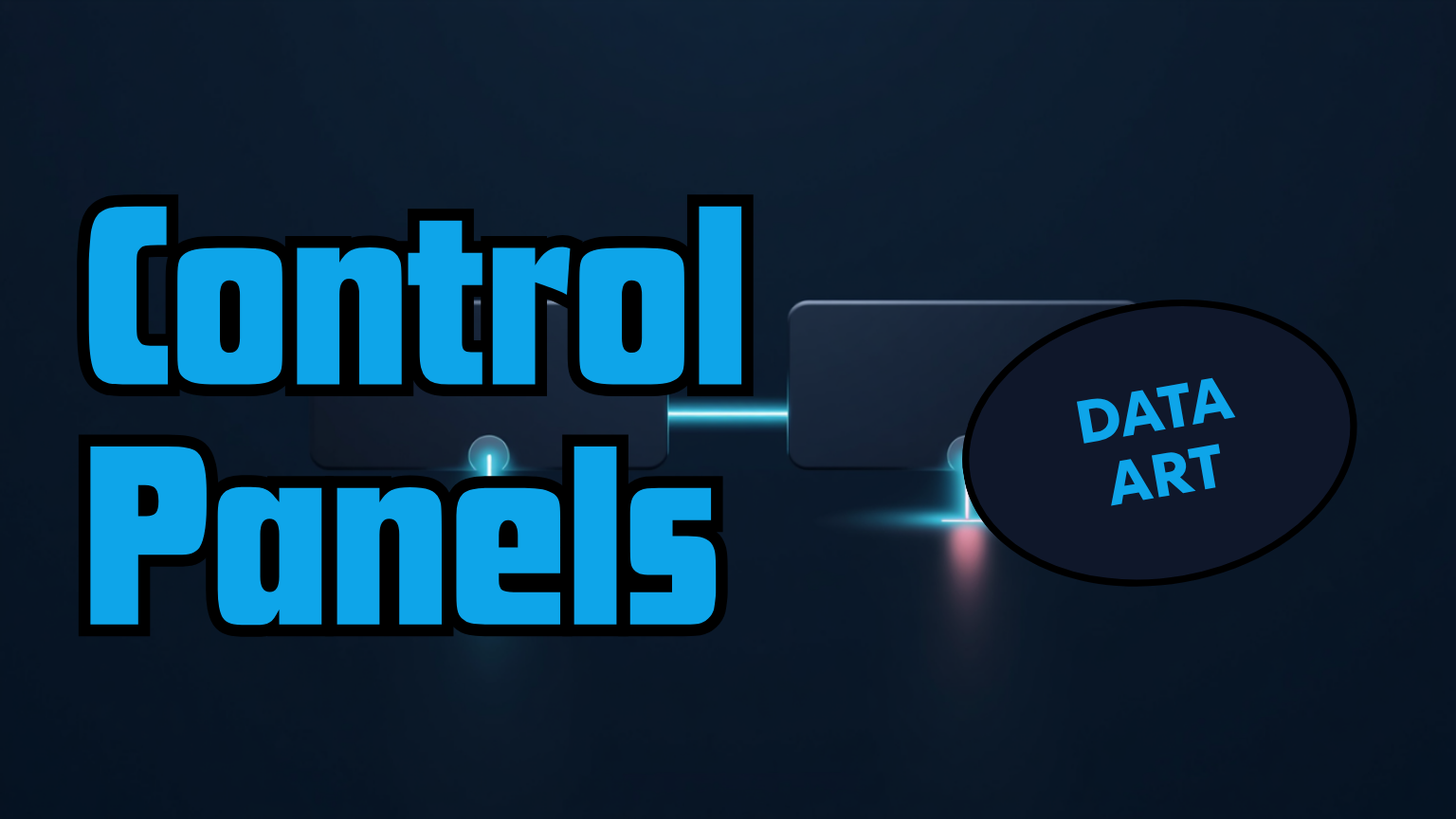
Two identical control panels, one wired to something real underneath, the other wired to nothing, illustrating how similar a real AI rollout and a cosmetic one look from the outside.
“What should we actually do this quarter, not next year?”
Pick one process. Not a department, one process. Say out loud what will stop being done manually. Assign a name to what happens if the AI gets it wrong. Report that specific outcome to the board, good or bad, before you announce a single new pilot.
Everything else is a chatbot with a new name.
Frequently Asked Questions
What does this mean for a Chief AI Officer?
It means the job isnt measured by how many tools got deployed. It’s measured by how many decisions actually changed. A CAIO who cant name one changed decision is running a procurement function, not a transformation.
Whats the fastest way to tell if a pilot is theater?
Check whether anyone has reported a negative result from it to the board. Pilots that only ever show good numbers are being marketed, not measured.
How does an AI Assessment for companies help with this problem specifically?
It brings in an outside team to test whether AI initiatives are actually changing decisions, not just running alongside old processes. Silicon Valley Certification Hub structures that review around real workflows, not slide decks.
Whats the biggest risk of letting a “chatbot with a new name” sit unaddressed?
Budget keeps renewing for something with no measurable owner or outcome, and when a real audit or governance review eventually happens, theres no accountability trail to show. That gap is expensive to fix retroactively.
What should executives do this quarter to fix it?
Pick one process, name what stops being manual, assign an owner for outcomes, and report results, positive or negative, before announcing the next pilot.
Want to know how this applies to your company?
At Silicon Valley Certification Hub, we help you align AI + Strategy. Our team works directly with your directors and teams to assess AI readiness, identify gaps, and build a clear path forward, tailored to your business context.
Book a time with our CEO, Alejandro Cuauhtemoc-Mejia
Silicon Valley Certification Hub
3000 El Camino Real, Building 4, Palo Alto, CA


0 Comments